
Work, Property, and Women’s Historical Position
The Second SexThis thread traces how labor, inheritance, and social organization convert biological difference into economic dependence, then identifies work as necessary but insufficient for liberation.
increasing Bearing strength in each event
 decreasing
Bearing strength in each eventdecreasingLife and the Value of Action

Life and the Value of Action
Repetition and projects
The historical account contrasts the maintenance of life with activities that create tools, institutions, and new possibilities. Reproduction sustains the species, while socially valued action is treated as opening a future; this distinction helps explain how a hierarchy was justified.
A value system made by people
The contrast is not a law of nature. It reflects a human valuation that privileges risk, invention, and public action while treating repetitive labor as lesser, even when that labor is indispensable to collective survival.
Property and Paternal Inheritance
Property and Paternal Inheritance
Kinship becomes economic power
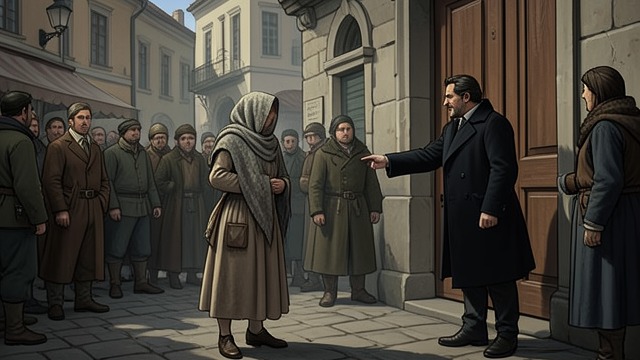
With settled property and inheritance, questions about descent and ownership reshape women’s social position. Control over marriage and children helps transfer wealth through male lines, while women themselves are increasingly treated as objects of exchange or as dependents within a household.
The order naturalized
The argument links women’s subordination to institutions rather than to an unchanging biological rule. Legal and religious explanations then present this arrangement as inevitable, obscuring the interests it serves and the historical choices that produced it.
Labor and Conditional Emancipation
Labor and Conditional Emancipation
Entering production
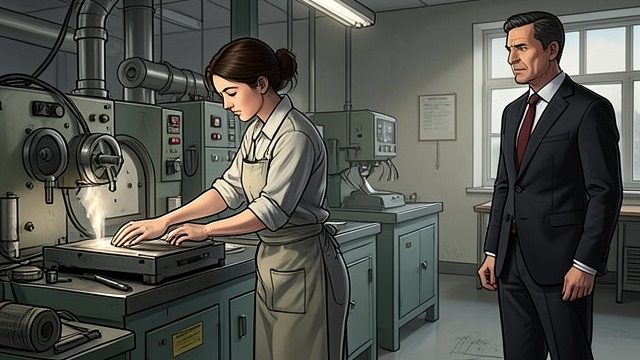
Industrial work draws women beyond the home and creates a material basis for independence. It also reveals the limits of a purely economic explanation: women’s employment may be badly paid, insecure, and used to undercut male workers rather than to establish equality.
A right without full freedom
Wage earning can reduce dependence on a husband, yet it does not by itself redistribute domestic labor, social respect, or access to authority. Work becomes a route toward freedom only when women can participate as full producers and citizens rather than as a reserve workforce.
The Limits of Economic Monism

The Limits of Economic Monism
What material analysis explains
Economic structures and technology shape the possibilities open to women, and this insight corrects accounts that treat their status as purely psychological or biological. Changes in work can alter the balance between production and reproduction.
What it leaves unresolved
The analysis remains incomplete if it cannot explain why people seek sovereignty, turn property into an extension of self, or dominate another consciousness. A fuller account must join material history to the existential desire to become a subject and the temptation to make another person an object.
From Legal Rights to Concrete Possibility

From Legal Rights to Concrete Possibility
Formal equality is not enough
Legal rights can remove explicit barriers, but they do not automatically give women a real hold on the world. Economic dependence, domestic responsibility, and inherited expectations can leave freedom abstract even after formal restrictions are lifted.
Collective change as the condition
Liberation requires material arrangements that make work, care, and public participation compatible with autonomy. The measure is not whether a woman is praised or protected, but whether she can undertake projects and justify her existence through her own freely chosen ends.
At the beginning of the history section
As settled agricultural societies develop
During the nineteenth-century expansion of industry
In the critique of historical materialism
In the book’s final movement toward liberation
